Why it matters
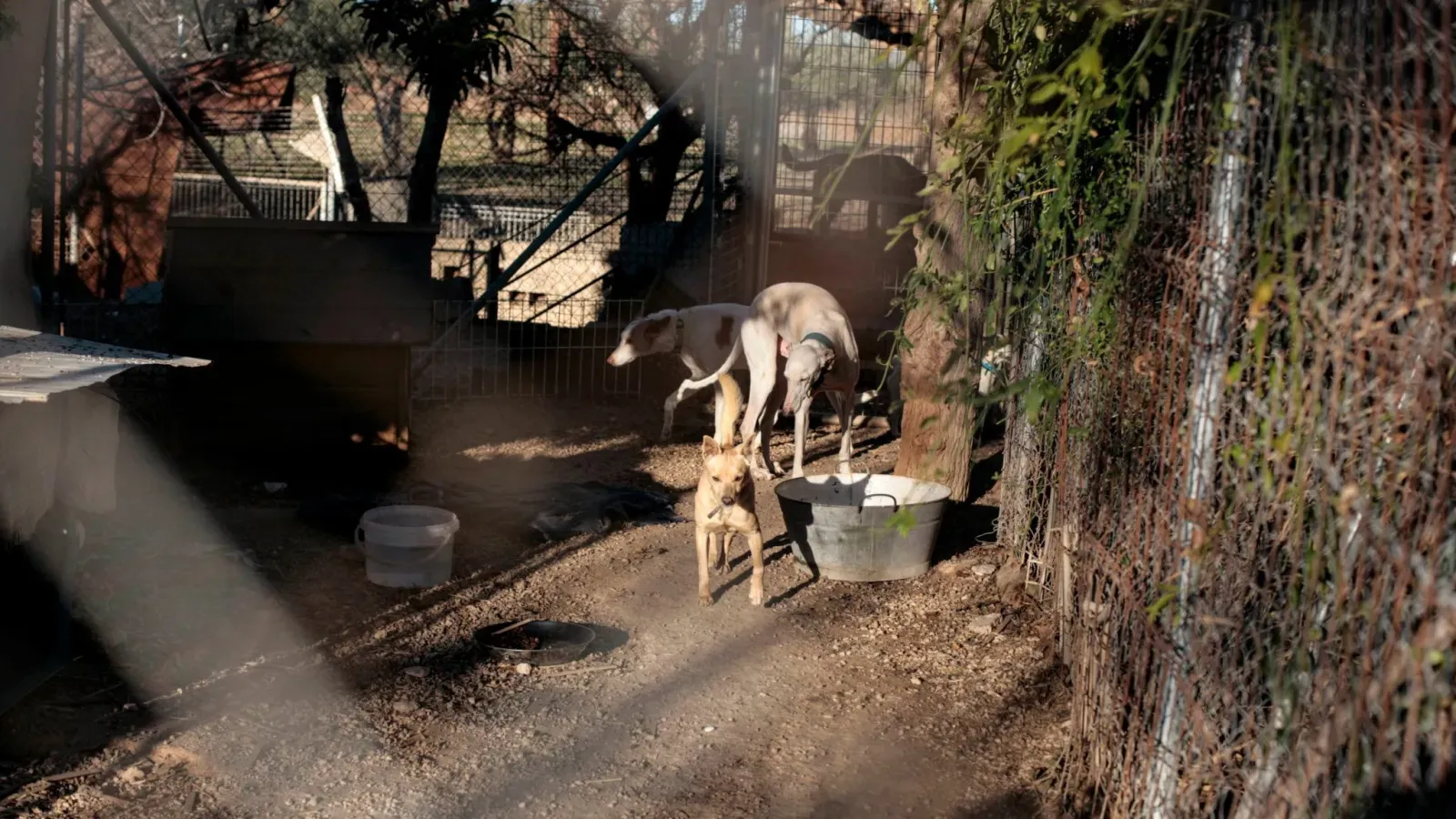
Adopters browse listings on their phones and decide in a second or two whether to tap. A dark, blurry photo through kennel wire tells them nothing about the dog. A bright, close portrait with the eyes in focus invites them to read on. Shelters and rescue groups have long encouraged volunteer photography for exactly this reason, and networks of volunteer photographers, such as HeARTs Speak, exist to support it.
Set up a corner
You do not need a studio. Pick one spot you can use every week:
- outside, in open shade next to a building or under a tree, away from cars and other dogs;
- or inside, near a large window, with a plain wall or a sheet behind the dog;
- a non-slip mat or a bench for small dogs, so they are not standing on cold tiles.
Using the same corner gives the shelter’s listings a consistent look, which makes the whole page feel cared for.
The three photos
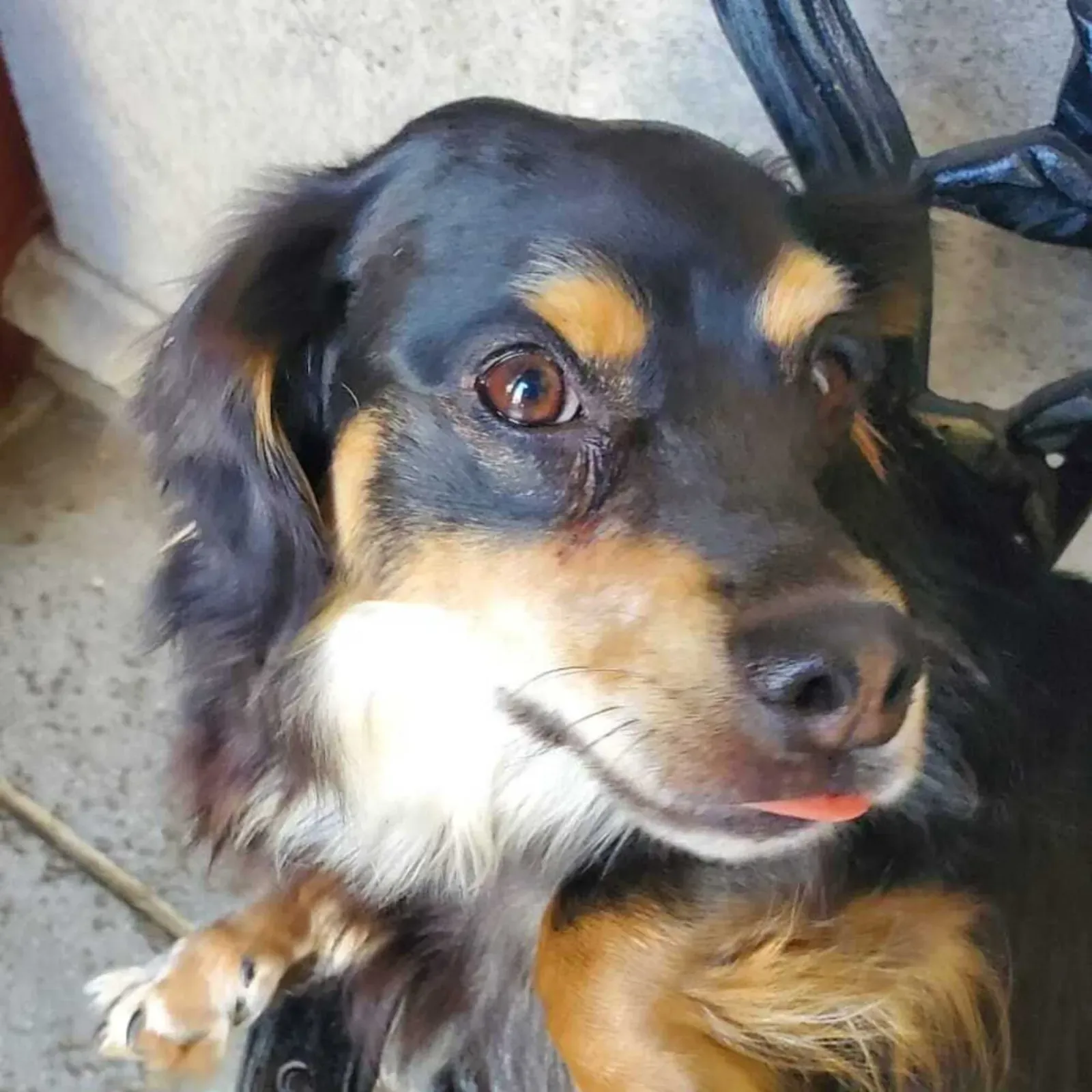
The portrait
Head and shoulders, shot at the dog’s eye level, focus on the nearest eye. This is the image that appears in search results, so it has to work small.
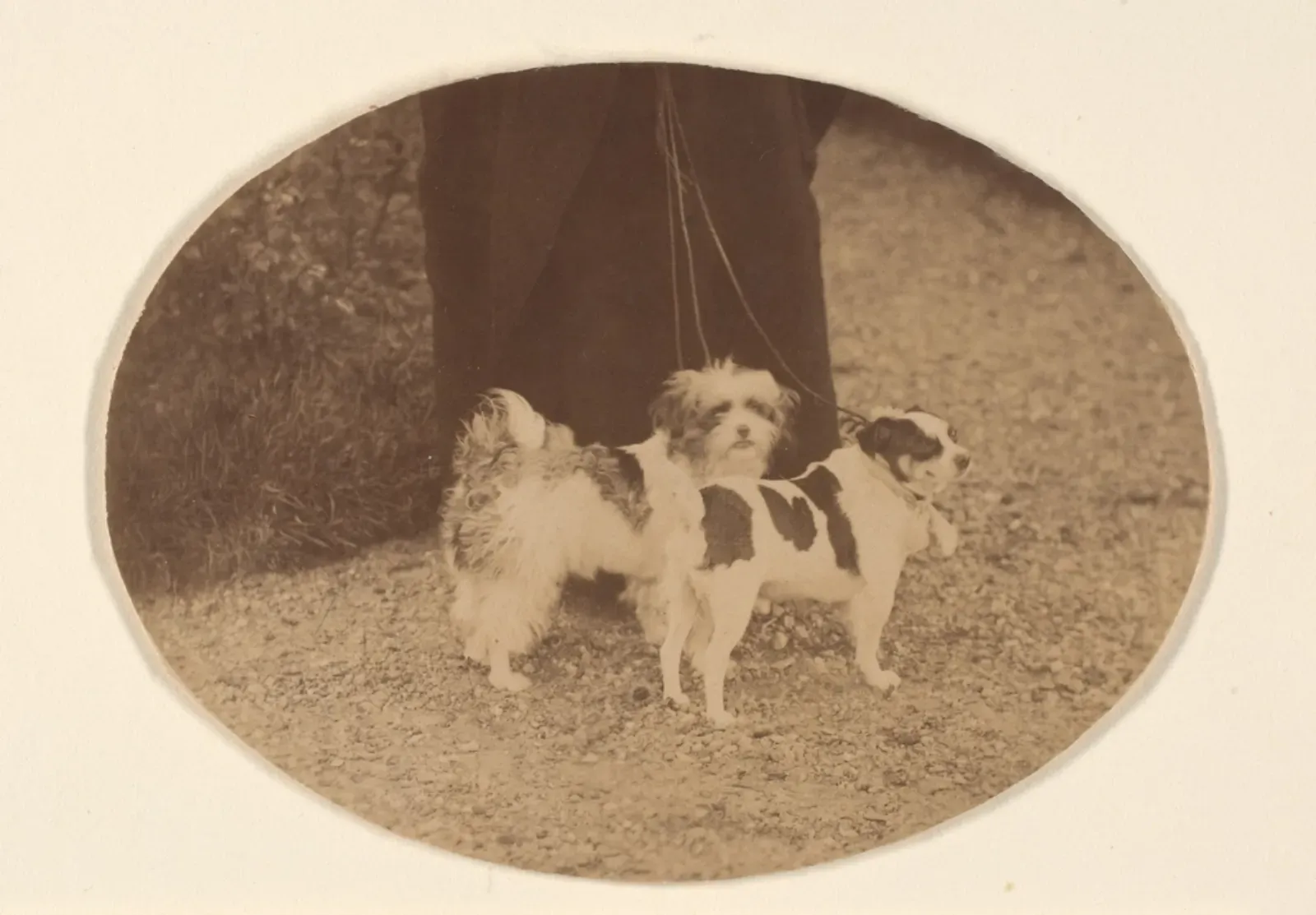
The full body
Shows size, coat and shape. Include something for scale if it helps: a volunteer’s legs, a bench.
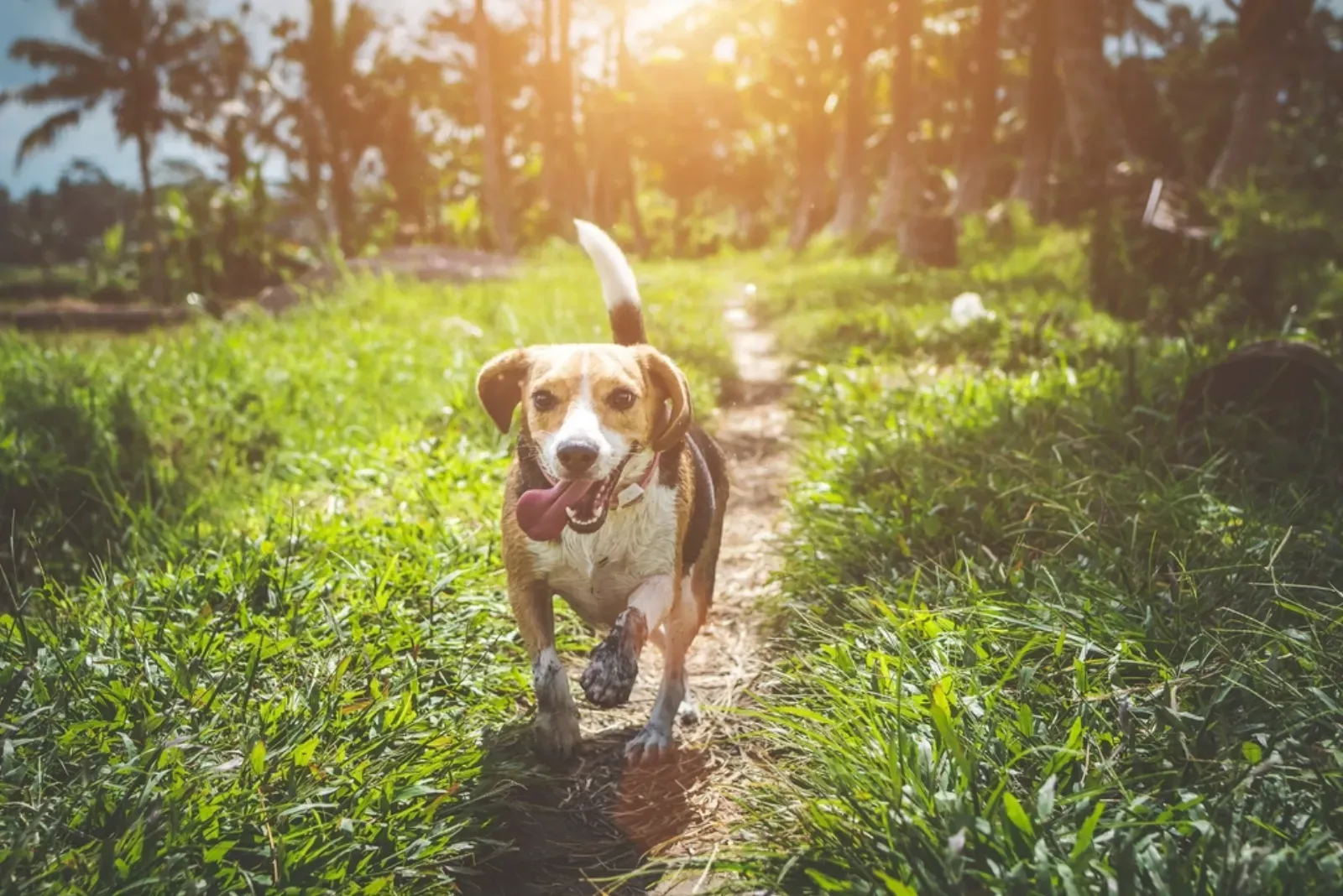
The personality shot
Mid-play, mid-walk, leaning on a person, sitting for a treat. This is the one that answers what the dog would be like at home.
Working with a nervous dog
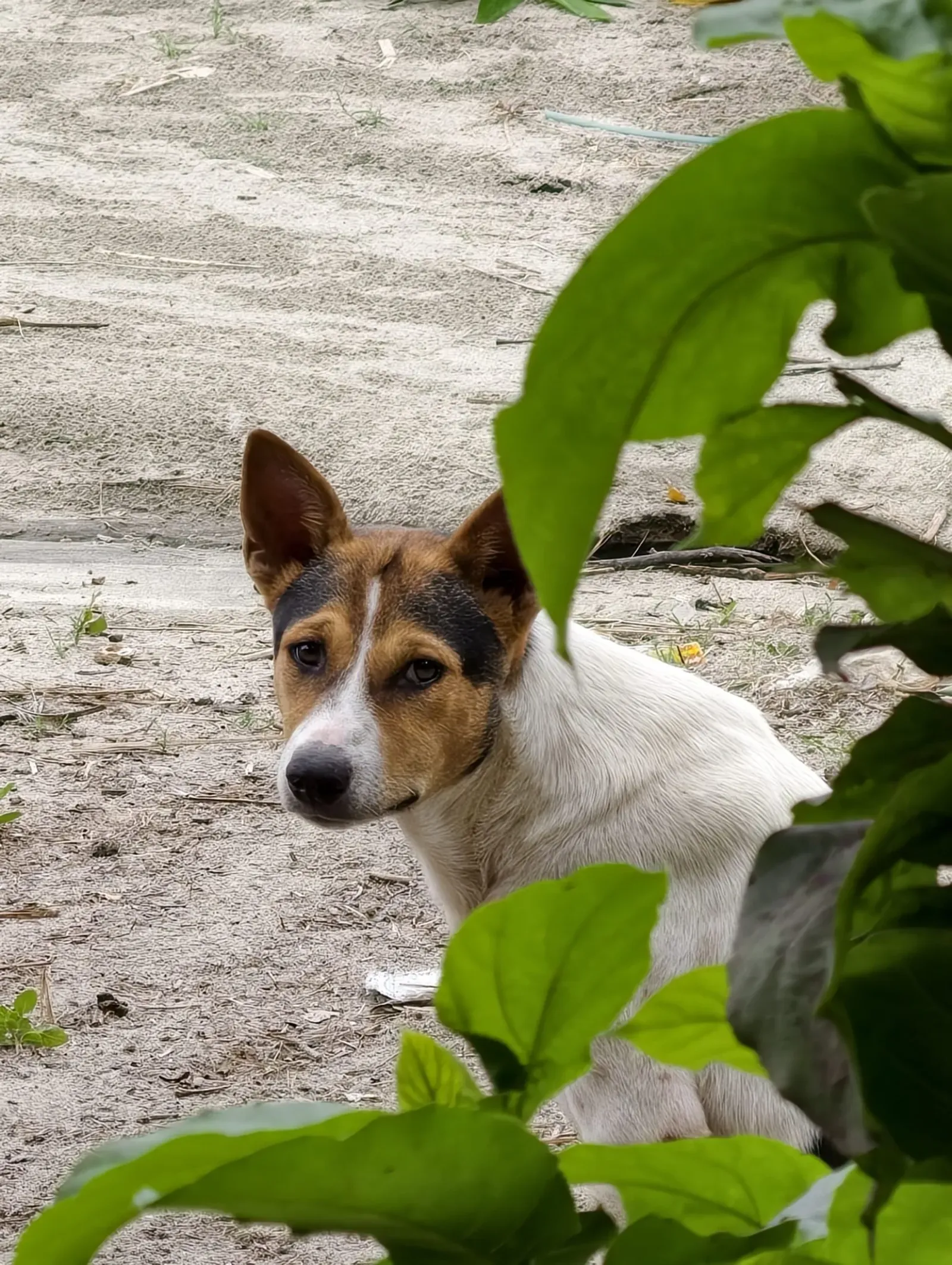
Give the dog ten minutes to explore before you lift the camera. Sit sideways, avoid staring, and let a second volunteer handle treats and the lead. Shoot with the telephoto lens so you can stay a few metres away. Turn off flash and shutter sounds. If the dog is stressed, stop and try again another day: a calm photo next week beats a frightened one today.
Writing the caption
Put the photo next to two or three plain facts: age, size, how the dog is with other dogs, cats and children if known, and one specific detail (“sleeps on his back”, “carries her lead in her mouth”). Specific details get remembered.
Questions
Should the dog wear a lead in adoption photos?
For safety, keep it on. Use a thin slip lead in a colour close to the coat, hold it slack, and frame or crop so it is barely visible. Never let a dog loose in an unfenced area for a photo.
How many photos should a listing have?
Most adoption sites allow several. A good set is one clear head-and-shoulders portrait as the main image, one full-body shot that shows size, and one of the dog doing something: playing, walking, leaning on a volunteer.
What about photos through the kennel fence?
Avoid them. Wire in front of the face reads as sad and makes the dog look like a problem. If you must shoot in the run, put the lens right against the mesh so it blurs out, or take the dog to a quiet yard.
Sit Still editors, updated 29 November 2026.